
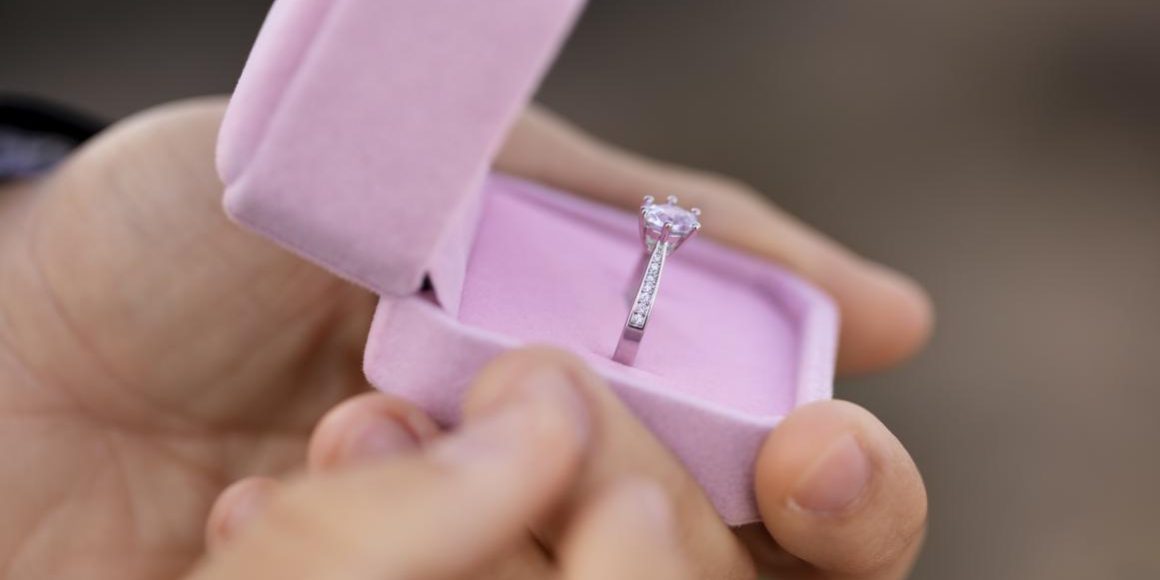
At Ordekian Jewellery, every engagement ring carries meaning beyond its brilliance. Throughout history, rings have stood as promises of love, tokens of unity, and emblems of heritage. The role in marking life’s most cherished moments is deeply rooted in cultural traditions across the world. Understanding this symbolism enriches both the giver and the wearer, as each ring embodies more than precious metals and gemstones; it represents stories, values, and enduring bonds.
Key Takeaways
- Engagement rings symbolise unity, promise, and tradition.
- Cultural practices shape the design and meaning of rings.
- Diamond rings gained prominence in the 20th century.
- Many cultures use gemstones beyond diamonds.
- Rings continue to evolve with modern values.
The Timeless Meaning of Engagement Rings
- An engagement ring has never been a simple ornament. Across time, it has carried weight as a covenant, an outward sign of an inward promise. In ancient Rome, rings symbolised legal commitment, while in medieval Europe, the symbol became closely linked with spiritual and familial honour. Today, the engagement ring remains a powerful emblem of love’s permanence, worn daily as a constant reminder of a life shared.
- Modern expectations often highlight the diamond solitaire, but history reveals that cultural traditions tell a broader story, one where sapphires, rubies, emeralds, and even plain gold bands have been central. These variations speak to the adaptability of love symbols across different societies.
How different cultures view and use engagement rings
Ancient and Classical Traditions
The origins of engagement rings can be traced to the Egyptians, who exchanged braided hemp or leather circles to signify eternity. The Romans later popularised iron and gold rings as legal proof of a marriage contract. These early traditions set the foundation for engagement jewellery as a visible pledge.
European Influence
During the Renaissance, betrothal rings often featured intricate engravings and religious symbolism. The Archduke Maximilian of Austria’s diamond ring, gifted in 1477, is widely regarded as the first recorded diamond engagement ring, marking the start of diamonds as the favoured choice in Europe. By the Victorian era, ornate gemstone clusters reflected romantic motifs, with floral and heart-shaped settings gaining popularity.
Asian Perspectives
In many Asian cultures, rings are not always central to betrothal. In India, engagement ceremonies traditionally involve gold jewellery, often bangles or necklaces, with rings becoming more common in recent decades due to Western influence. In Japan, the diamond engagement ring rose in popularity only after targeted campaigns in the mid-20th century, where it quickly became synonymous with commitment.
Middle Eastern Customs
Engagement rings across Middle Eastern traditions often emphasise yellow or white gold, with intricate designs reflecting cultural artistry. Rings may feature inscriptions or gemstones that represent prosperity, faith, and family honour.
Contemporary Western Culture
In modern Western societies, the engagement ring is both a declaration of intent and an investment in beauty. Diamond solitaires remain the most iconic, yet coloured gemstones and ethically sourced designs are gaining prominence, reflecting new values of sustainability and individuality.
The Role of Gemstones in Engagement Rings
While diamonds dominate popular culture, other gemstones have held equal importance throughout history, each carrying distinct meanings and cultural associations.
- Sapphires are traditionally linked with wisdom, loyalty, and fidelity. Deep blue tones are often associated with sincerity and truth, making the gemstone a meaningful choice for symbolising long-lasting commitment.
- Rubies represent passion, courage, and vitality. The striking red hue has long been regarded as a symbol of love and energy, often chosen to reflect strength and intensity in relationships.
- Emeralds are connected with renewal, growth, and harmony. The vibrant green colour is often tied to nature and balance, symbolising fresh beginnings and emotional unity in partnerships.
- Aquamarines are valued for associations with serenity, calmness, and clarity. The cool blue shades are thought to bring peace to the wearer and are often chosen for a sense of tranquillity and stability.
Engagement Rings in Modern Society
- Today’s engagement rings are shaped not only by long-standing traditions but also by evolving social values. Ethical and environmental considerations play a significant role in modern choices, with a growing preference for laboratory-grown diamonds and recycled metals. These alternatives appeal to those who value sustainability while still desiring timeless beauty and durability.
- Personalisation has also become a defining feature of contemporary engagement rings. Couples increasingly choose bespoke designs that reflect individual stories, personalities, and shared experiences. From unique gemstone selections to custom engravings, each detail adds a layer of meaning, ensuring the ring is not only beautiful but also deeply personal.
Craftsmanship and Legacy
- The cultural significance of an engagement ring lies not only in the materials used but also in the artistry behind its creation. Fine craftsmanship ensures that every cut, polish, and setting elevates the piece from simple jewellery to a symbol of enduring love. Whether it is a finely set diamond, a carefully selected gemstone, or a handcrafted band, each element reflects a dedication to detail and quality.
- Engagement rings that are thoughtfully designed often become heirlooms, treasured across generations. Such pieces transcend ornamentation, serving as tangible connections between the past, present, and future. Passed down through families, each ring carries stories of devotion and legacy, ensuring that the significance extends far beyond the initial moment of exchange.
Conclusion
Engagement rings are far more than adornments; regarded as cultural treasures woven into human history. From ancient Egypt to contemporary Australia, each ring reflects love, family, and identity. At Ordekian Jewellery, the artistry behind every engagement piece is guided by an understanding of deep-rooted traditions. To create meaningful digital connections that reflect the same dedication, contact us today for expert marketing solutions tailored to your brand.
FAQs
1. What is the origin of engagement rings?
The tradition of engagement rings can be traced back to ancient Egypt and Rome, where circular bands symbolised eternity and legal union.
2. Why are diamonds so popular in engagement rings?
Diamonds became popular in the 20th century following a global marketing campaign, which positioned the gemstone as a symbol of durability and eternal love.
3. Do all cultures use rings for engagements?
Not all cultures use rings. In some traditions, necklaces, bangles, or other symbolic gifts are exchanged, though rings have become more common worldwide.
4. What gemstones other than diamonds are used in engagement rings?
Sapphires, rubies, emeralds, and aquamarines are widely recognised alternatives, each carrying its own unique symbolism.
5. How do modern couples personalise engagement rings?
Personalisation is often achieved through bespoke designs, the use of ethical stones, distinctive settings, and meaningful engravings.
6. Are engagement rings considered investments?
Engagement rings can hold investment value, particularly those with diamonds or rare gemstones, but the emotional and symbolic significance is often greater.