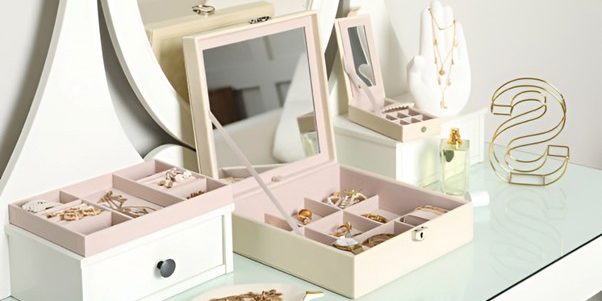
Your jewellery is far more than an accessory. Each piece carries a story, a memory, and often considerable personal and financial value. Storing it thoughtfully is what keeps it beautiful for years to come. At Ordekian Jewellery, we understand how much each piece means to our clients. This guide covers the most effective tips and products for storing your jewellery safely and efficiently at home.
Key Takeaways
- Moisture and humidity are among the leading causes of tarnish and corrosion for gold, silver, and gemstone pieces.
- Separate compartments and soft-lined boxes are essential to prevent scratching, tangling, and surface damage between pieces.
- Anti-tarnish products including strips, cloths, and silica gel packets extend the life of your collection considerably.
- Queensland’s subtropical climate creates specific storage challenges, making humidity control a priority for Gold Coast jewellery owners.
- Professional valuation and photography of your collection supports insurance claims and provides peace of mind.
Why Jewellery Storage Deserves More Than a Drawer
Many people give little thought to how they store their jewellery until something goes wrong. A ring with a scratched face, a tangle of necklaces that cannot be separated without force, or a bracelet that has developed an unexplained dull patch all come from the same source: inadequate storage and poor jewellery care practices.
The Australian jewellery market was valued at USD 2.5 billion plus in 2024, according to market research data, This figure reflects how seriously Australians invest in their jewellery. That level of investment deserves to be protected with equally serious storage and jewellery care habits.
Every piece in your collection, whether a handcrafted engagement ring, a pearl necklace, or a pair of everyday earrings, benefits from appropriate storage. The right conditions extend the life of the metal, protect the gemstones, and maintain the finish that makes each piece shine.
Understanding What Damages Jewellery in Storage
Before you can store jewellery well, it helps to understand what causes the most common forms of damage:
- Moisture and Humidity: These are the primary drivers of tarnish on silver and the dulling of gold over time. Moisture accelerates oxidation and can affect both metal finishes and certain gemstone settings.
- Contact Between Pieces: Storing jewellery loosely together causes pieces to scratch each other. Diamonds and hard gemstones will readily scratch softer metals if left to move freely in the same box or drawer.
- Direct Sunlight and Heat: Prolonged UV exposure can fade certain gemstones, degrade adhesives in some settings, and weaken organic materials such as pearls.
- Household Chemicals: Cleaning products, cosmetics, perfumes, and lotions all leave residue that accumulates on metal surfaces and dulls their appearance over time.
For Gold Coast residents, Queensland’s subtropical climate adds a layer of complexity. Indoor humidity levels across Australian homes can readily exceed 65% due to cooking and showering, with coastal and subtropical areas experiencing this more acutely. This level of humidity accelerates tarnishing and can affect even high-quality gold and platinum pieces if left unprotected.
Tip 1: Choose a Jewellery Box With Individual Compartments
A jewellery box is the foundation of good storage practice, but not all boxes are created equal. A fabric-lined box with open space is only marginally better than a drawer. What you actually need is a box with clearly separated compartments, ring cushions, individual earring holders, and necklace hooks.
Look for boxes that offer:
- Soft velvet or microfibre lining on all interior surfaces, which prevents surface scratches on metals and gemstones.
- Individual ring cushions that hold each ring upright and prevent them from rolling against one another.
- Separate compartments for each piece of chain, bracelet, or bangle, so nothing becomes tangled or knotted during storage.
- Earring cards or holders to keep pairs together and prevent loss of a single earring from each set.
The most effective jewellery storage eliminates tangled necklaces, prevents pieces from being forgotten, and allows a collection to grow without outgrowing its storage.
Modular systems that can be added to over time offer particular value for growing collections.
Tip 2: Use Anti-Tarnish Products Consistently
Anti-tarnish products are among the most practical and affordable ways to extend the life and appearance of your jewellery collection. Several products deserve regular use:
Anti-Tarnish Strips
These small strips are placed inside a jewellery box or storage pouch. They absorb moisture and neutralise the airborne sulphur compounds that are the primary cause of silver tarnishing. They work quietly in the background and should be replaced every few months as their capacity diminishes.
Silica Gel Packets
Silica gel absorbs excess moisture from the air inside a closed box, drawer, or safe. Place a packet in your jewellery box and replace it periodically. They are particularly effective during Queensland’s wet season when indoor humidity rises significantly. Ensure the packet does not come into direct contact with pieces, as it can cause marking on some finishes.
Anti-Tarnish Pouches and Cloths
For individual high-value pieces or silver items, a dedicated anti-tarnish cloth pouch provides an enclosed, protective environment. These are ideal for rings, bracelets, or necklaces that are worn occasionally rather than daily. The pouch limits air exposure and keeps the piece in perfect condition between wears.
Tip 3: Store Jewellery Away From the Bathroom
The bathroom is where most jewellery damage begins. It seems like a natural place to remove a necklace or ring before showering, but the combination of steam, humidity, and chemical residue from soaps and shampoos creates a consistently harsh environment for precious metals and stones.
Bedroom storage is consistently recommended by jewellery professionals. A dresser top, a bedside table drawer, or a dedicated jewellery armoire in your bedroom maintains a drier and more stable environment than a bathroom surface or cabinet ever can.
Tip 4: Store Necklaces and Chains With Special Care
Chains and necklaces are the most frustrating category to manage in storage. They knot and tangle quickly, and untangling a delicate chain without causing damage requires time and care that most people would rather avoid.
The most effective approach:
- Fasten the clasp of every necklace before placing it in storage. An open clasp allows the chain to loop through itself and form knots.
- Hang necklaces vertically on dedicated hooks inside a jewellery armoire or on a wall-mounted stand in a location away from sunlight and humidity.
- For travel, place each necklace inside a separate sealed soft pouch, or thread the chain through a straw to prevent it from knotting during movement.
- Delicate chains and fine pieces benefit from their own individual compartments where they cannot come into contact with other pieces at all.
Tip 5: Consider a Home Safe for High-Value Items
For engagement rings, heirloom pieces, and high-value collections, a home safe offers a level of physical security that a jewellery box simply cannot. A quality safe protects against theft, fire, and environmental damage simultaneously.
Fire-rated safes protect not only against physical theft but also against environmental damage, and the addition of a small silica gel packet inside the safe helps manage internal humidity for sensitive metals and organic materials like pearls.
Comprehensive jewellery insurance is equally important. Most standard contents insurance policies include limits on individual jewellery items that may leave valuable pieces underinsured. Specifying high-value pieces individually on your policy ensures full replacement value cover.
Australians arrange professional valuations for all significant pieces, which both supports insurance claims and provides a financial record of your collection’s value over time.
Caring for Custom and Handcrafted Pieces
Custom-made jewellery often features intricate settings, unique metal combinations, and carefully selected gemstones that require tailored care and storage. The storage conditions appropriate for a simple gold band may not be sufficient for a complex bespoke piece with multiple stones, mixed metals, or organic elements such as pearls or coral.
Different stones have different sensitivities to heat, humidity, and chemicals, while different metal combinations require specific protective measures to maintain their condition over time. Proper storage and maintenance are especially important for handcrafted and custom-made jewellery designed to last for generations. A brief conversation with our team can help prevent years of avoidable wear and preserve the beauty of your pieces.
For a broader picture of the Australian jewellery market and the types of pieces that Australian consumers are currently investing in, Jewellery World’s Australian consumer report for 2024 offers a detailed view of purchasing trends, preferred materials, and the growing emphasis on quality and longevity in Australian jewellery buying decisions.
Conclusion
Your jewellery collection deserves thoughtful care from the moment you take a piece off to the moment you put it on again. The right storage products, habits, and conditions preserve brilliance, prevent damage, and protect your investment for years to come. For personalised advice on caring for your pieces, contact us today. We are always here to help.
FAQs:
What is the best way to store jewellery at home?
Use a soft-lined box with individual compartments, store in a cool, dry bedroom location, and use anti-tarnish products.
How do you prevent jewellery from tarnishing in storage?
Use anti-tarnish strips, silica gel packets, and sealed anti-tarnish pouches. Avoid humid environments like bathrooms.
Can you store different types of jewellery together?
No. Store pieces separately to prevent scratching, tangling, and contact wear between harder and softer materials.
Should I store pearls differently from gold and silver?
Yes. Pearls need breathable storage, slight moisture, and separate pouches. Avoid airtight containers that dry them out.
How often should I clean jewellery before storing it?
Clean pieces before returning them to storage to prevent oil and residue from causing tarnish or dulling during storage.
Is jewellery covered by home and contents insurance in Australia?
Yes, but many policies have limits. Specify high-value pieces individually to ensure full replacement cover under your policy.