A ring designed around your story carries a meaning that no catalogue piece can match. Every curve, stone and detail can reflect who you are. At Ordekian Jewellery, we work with clients on the Gold Coast to turn ideas, sketches and heirlooms into handcrafted rings. This guide walks you through each stage of designing a ring you will treasure for a lifetime.
Key Takeaways
- Start with your story and lifestyle.
- Choose a metal that suits daily wear.
- Select a gemstone with care and clear disclosure.
- Review a 3D design before crafting begins.
- Allow several weeks for handmade work.
Why More Couples Are Choosing Custom Rings
Australians are still marrying in strong numbers. The Queensland Government Statistician’s Office reports that 23,595 marriages were registered in Queensland in 2024, part of 120,844 marriages across Australia. Behind each of those numbers is usually a ring, and more couples now want that ring to feel personal.
Spending reflects this shift. Forbes Australia, citing the Easy Weddings industry report, notes that the average engagement ring now costs $6,842, a rise of 14.5 per cent year on year. At the same time, Finder found that most Australians consider the three months’ salary rule outdated. Couples want value, meaning and design that suits them, rather than following old rules.
A custom ring brings these priorities together. You decide where the budget goes, which details matter most and how the finished piece should feel on your hand.
Step 1: Start With Your Story
Every memorable ring begins with an idea. It might be a shared memory, a favourite colour, a family tradition or simply a style you have always admired.
Before your first consultation, consider:
- The overall look you prefer: classic, modern or vintage
- Any symbols, dates or initials you would like included
- Heirloom stones or metals you wish to reuse
- Inspiration images that capture the feeling you want
There is no need for a finished sketch.
Step 2: Think About Your Lifestyle
A ring is worn every day, so it must suit the way you live. Someone who works with their hands, plays sport or spends time at the beach needs a different design from someone in an office.
Practical questions help guide the design:
- How often will the ring be worn?
- Will it be exposed to knocks, sand or chemicals?
- Do you prefer a low profile or a raised setting?
- Will it need to sit neatly beside a wedding band?
Answering these early ensures the ring looks beautiful and lasts for decades.
Step 3: Choose the Right Metal
The metal shapes both the appearance and the durability of your ring. Each option has its own character.
- 18ct Yellow Gold: Warm, classic and timeless
- 18ct White Gold: Bright and modern, often rhodium plated
- 18ct Rose Gold: Soft, romantic and distinctive
- Platinum: Naturally white, dense and highly durable
Many clients also choose to mix metals, such as a white gold setting on a yellow gold band, to create contrast and highlight the centre stone.
Step 4: Select Your Gemstone
The centre stone often defines the personality of the ring. Diamonds remain popular, yet coloured gemstones are increasingly chosen for their meaning and individuality.
Diamonds
Diamonds are valued for their brilliance and hardness. Some of the world’s most remarkable stones have Australian origins. Research published in Nature Communications by a Curtin University led team explains how Western Australia’s Argyle deposit formed, a site that produced more than 90 per cent of the world’s pink diamonds.
Lab Grown Diamonds
Lab grown diamonds share the same physical and optical properties as natural diamonds. Clear disclosure is essential. Jeweller magazine explains that industry guidelines set out the correct terms for describing laboratory grown diamonds, so buyers always know exactly what they are purchasing.
Coloured Gemstones
Sapphires, emeralds and rubies offer colour, symbolism and character. Australia also has a proud sapphire history. The Gemmological Association of Australia shares an update on Australian sapphire fields from its journal, The Australian Gemmologist, including deep blue stones from far north Queensland.
Step 5: Pick a Setting and Shape
The setting holds your stone and influences how much light it captures. Popular engagement ring trends include:
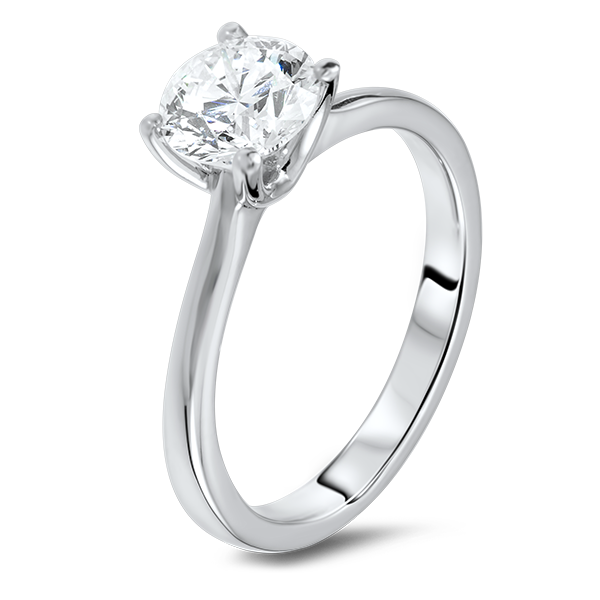
- Prong settings that lift the stone and maximise sparkle
- Bezel settings that wrap the stone in metal for protection
- Halo settings that surround the centre stone with smaller diamonds
- Three stone designs that represent past, present and future
- Toi et moi designs that pair two stones side by side
Stone shape matters too. Round, oval, emerald, pear and cushion cuts each create a different mood.
Step 6: Set a Clear Budget
A custom ring gives you control over where your money goes. You might invest more in the centre stone and keep the band simple, or choose a smaller stone with intricate detailing.
Bridebook suggests that couples should spend what feels right for their circumstances rather than following traditional formulas. Sharing your budget openly at the start allows the design to be shaped around it from day one.
Step 7: Review the Design Before Crafting
Seeing your ring before it is made removes uncertainty. At Ordekian Jewellery, every ring is made in house using traditional techniques combined with 3D CAD design. This allows you to review the proportions, stone placement and profile before any metal is cast.
Small changes at this stage, such as adjusting band width or claw shape, ensure the finished ring matches your vision. At Ordekian Jewellery, explore custom made rings to see how this process brings ideas to life.
Step 8: Allow Time for Handcrafting
Handmade jewellery takes time. Most custom rings take around three to six weeks, depending on the complexity of the design and the availability of materials.
Planning ahead is wise, especially if you have a proposal date in mind. SBS reported that 1,773 marriages took place on Australia’s most popular wedding date in 2024, and peak seasons can be busy for jewellers. The Daily Aus also noted that the average age at marriage was 31.2 years for women and 32.8 for men, so many couples now plan their rings with clear priorities and timelines.
Caring for Your Ring
Once your ring is complete, simple care keeps it looking its best:
- Remove it during heavy work, gym sessions and swimming.
- Clean it gently with warm soapy water and a soft brush.
- Store it separately to avoid scratches.
- Have claws and settings checked regularly by a jeweller.
Conclusion
Designing your dream ring is a personal journey that combines your story, your style and expert craftsmanship. With the right metal, gemstone and setting, the result becomes a piece you will treasure for years. If you are ready to begin, contact us today to book a consultation and start creating a ring that is truly yours.
FAQs:
How long does it take to make a custom ring?
Most custom rings take around three to six weeks, depending on design complexity and the availability of materials.
Is a custom ring more expensive than a ready made ring?
Not always. Custom rings let you control where the budget goes, balancing stone, metal and design details carefully.
Can I use my own stone in a custom ring?
Yes. Heirloom or existing stones can usually be reset into a new design after being checked for condition.
What is the most durable metal for a ring?
Platinum is highly durable and dense, while 18ct gold also offers excellent strength for everyday wear.
Are lab grown diamonds real diamonds?
Yes. Lab grown diamonds share the same physical and optical properties as natural diamonds but are created in laboratories.
How do I design my own engagement ring?
Start with a consultation, choose your metal, gemstone and setting, then review a 3D design before crafting.